Với hơn 10 năm kinh nghiệm về vận chuyển khí nén, Headpowder Sơn Đông cung cấp hệ thống, thiết bị và quạt gió toàn chuỗi, đảm nhận các dự án kỹ thuật bột trọn gói trên toàn quốc.
When it comes to transporting lithium oxalate, selecting the right method is crucial for efficiency, safety, and cost-effectiveness. Lithium oxalate is a chemical compound widely used in various industries, including battery manufacturing, pharmaceuticals, and chemical synthesis. The choice of delivery method can significantly impact the overall production process, from raw material handling to final product distribution. In this article, we will explore the primary delivery methods for lithium oxalate and delve into the advantages and features of pneumatic conveying as a leading solution.
About Shandong HeadPowder Engineering Co., Ltd.
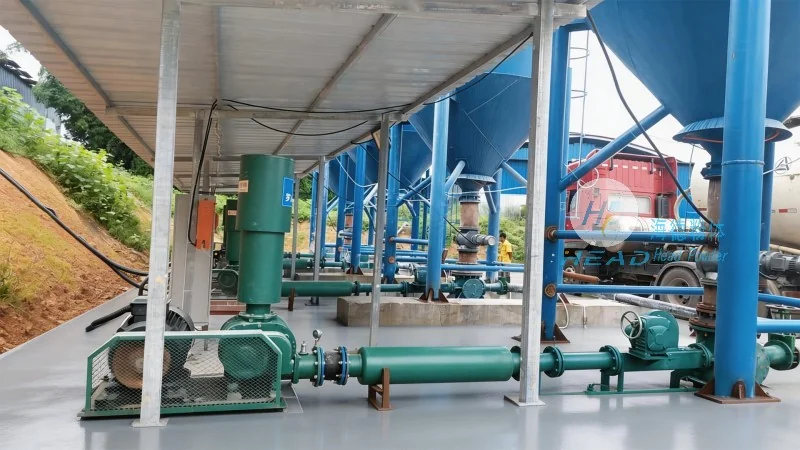
As a leading provider in the chemical engineering sector, Shandong HeadPowder Engineering Co., Ltd. specializes in the design, manufacturing, and installation of advanced material handling systems. With a strong focus on innovation and customer satisfaction, HeadPowder has established itself as a trusted partner for businesses seeking reliable solutions for transporting hazardous and valuable materials like lithium oxalate. The company's headquarters is located in Shandong, China, where it leverages local expertise and resources to deliver high-quality products and services to global markets.
Traditional vs. Pneumatic Conveying for Lithium Oxalate
Historically, lithium oxalate has been transported using methods such as belt conveyors, screw conveyors, and bucket elevators. While these systems are effective for certain applications, they often face challenges when dealing with fine powders or materials that are prone to dust generation. Traditional systems may require additional dust control measures, leading to increased operational costs and potential safety hazards. In contrast, pneumatic conveying offers a more efficient and flexible solution for handling lithium oxalate, especially in environments where dust containment and material integrity are critical.
Advantages of Pneumatic Conveying for Lithium Oxalate
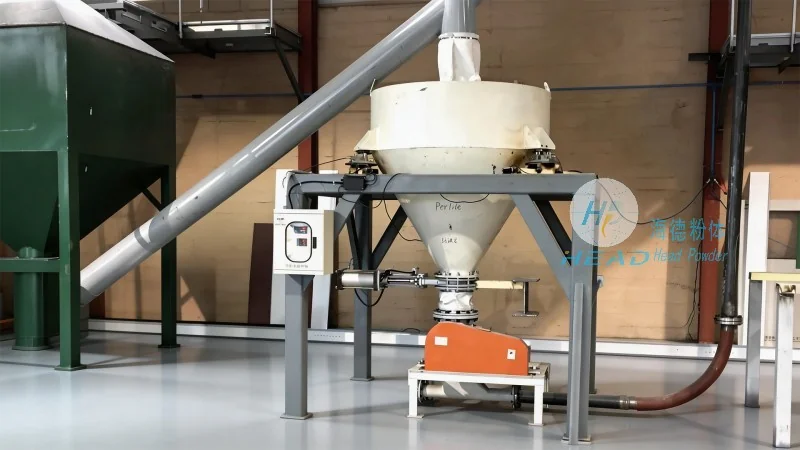
Pneumatic conveying systems utilize air or other gases to transport materials through a network of pipes. For lithium oxalate, this method provides several key advantages. First, it ensures a dust-free environment, which is essential for maintaining product quality and compliance with safety regulations. The enclosed system prevents material from being exposed to air, reducing the risk of contamination and degradation. Second, pneumatic conveying allows for precise control over the flow rate and direction of the material, enabling seamless integration with existing production lines. This flexibility is particularly beneficial in automated manufacturing processes where consistent material delivery is required.
Key Features of Pneumatic Conveying Systems
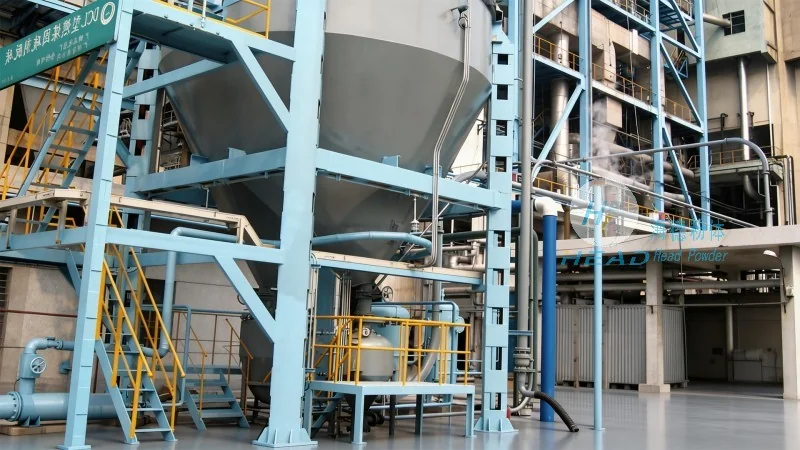
Modern pneumatic conveying systems for lithium oxalate often incorporate advanced features to enhance performance and reliability. These systems typically include components such as rotary valves, airlocks, and filter units. Rotary valves control the flow of material into the conveying line, ensuring a consistent feed rate. Airlocks prevent backflow and maintain pressure differentials, which are critical for efficient material transport. Filter units capture any fine particles, preventing them from escaping into the environment and ensuring compliance with environmental regulations. Additionally, many systems are equipped with monitoring and control systems that allow operators to track performance in real-time, enabling proactive maintenance and minimizing downtime.
Application in Battery Manufacturing
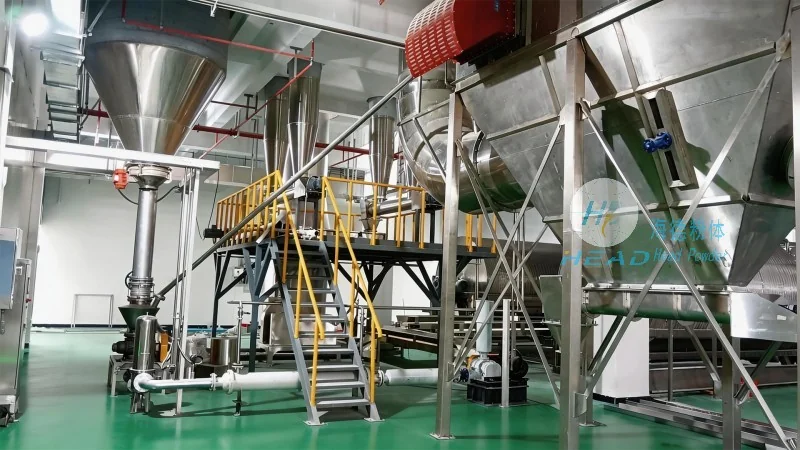
Lithium oxalate is a critical component in the production of lithium-ion batteries, where it serves as a precursor for lithium carbonate or other lithium compounds. In battery manufacturing facilities, the efficient delivery of lithium oxalate is essential for maintaining production throughput and ensuring product consistency. Pneumatic conveying systems are particularly well-suited for this application due to their ability to handle fine powders and maintain a clean, controlled environment. By using pneumatic conveying, manufacturers can reduce the risk of material loss and contamination, leading to higher yields and lower production costs.
Safety and Environmental Considerations
When handling lithium oxalate, safety and environmental compliance are paramount. Pneumatic conveying systems address these concerns by providing an enclosed transport path, which minimizes the exposure of workers to dust and hazardous materials. The system's design also reduces the risk of accidental spills or leaks, as all material is contained within the pipes and equipment. Furthermore, modern pneumatic conveying systems are equipped with advanced filtration and dust collection systems, ensuring that any emissions are captured and treated before being released into the environment. This not only protects the environment but also helps companies meet regulatory requirements and maintain a positive public image.
Conclusion and Company Commitment
Shandong HeadPowder Engineering Co., Ltd. recognizes the importance of reliable and efficient delivery systems for lithium oxalate. By leveraging its expertise in pneumatic conveying technology, the company provides tailored solutions that meet the specific needs of its clients. Whether for small-scale laboratory applications or large-scale industrial production, HeadPowder's systems are designed to deliver high performance, durability, and safety. With a commitment to quality and customer satisfaction, HeadPowder continues to be a leader in the material handling industry, helping businesses optimize their operations and achieve their production goals.

 Shandong Headpowder Engineering Co., Ltd.
 156-6277-7102(Quản lý Trương)
  0531-83386006
  Thành phố Tế Nam, Tỉnh Sơn Đông, Trung Quốc
Điện thoại
WeChatTư vấn
Lên đầu