Với hơn 10 năm kinh nghiệm về vận chuyển khí nén, Headpowder Sơn Đông cung cấp hệ thống, thiết bị và quạt gió toàn chuỗi, đảm nhận các dự án kỹ thuật bột trọn gói trên toàn quốc.
Wood chip conveying is a critical process in various industries, including woodworking, biomass energy, and paper manufacturing. The efficiency and reliability of the conveying system directly impact production costs, safety, and overall operational performance. Among the diverse methods available, several stand out as the most common, each with its own set of advantages and disadvantages. This article provides a detailed comparison of these common wood chip conveying methods, focusing on their operational characteristics, suitability for different applications, and the key factors that influence their selection.
Screw Conveyors: The Traditional Choice for Horizontal and Inclined Transport
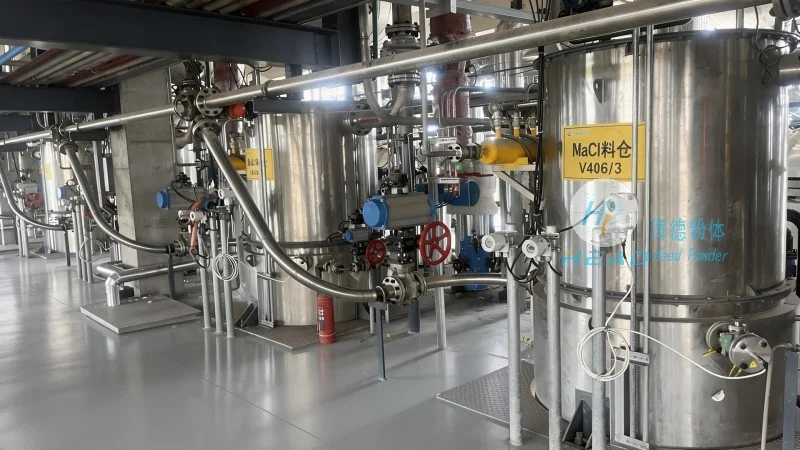
Screw conveyors, also known as auger conveyors, are among the most widely used systems for transporting wood chips. These devices consist of a rotating helical screw blade enclosed within a trough or tube. The screw rotates, pushing the material forward through the system. They are particularly effective for horizontal or slightly inclined transport, making them ideal for applications where the material needs to be moved from one location to another without significant vertical elevation changes.
One of the primary advantages of screw conveyors is their simplicity and robust construction. They require minimal maintenance and are relatively inexpensive to install and operate. The enclosed design also helps contain dust and prevent spillage, which is crucial for maintaining a clean and safe working environment. Additionally, screw conveyors can handle a wide range of materials, including wet or sticky wood chips, without clogging the system. This versatility makes them suitable for various processing stages, from raw material handling to intermediate storage.
However, screw conveyors also have notable disadvantages. The most significant limitation is their inefficiency when transporting materials over long distances or with significant vertical elevation changes. The friction between the screw and the material, combined with the need for continuous rotation, results in higher energy consumption compared to other methods. Moreover, the system can be prone to clogging if the wood chips are too large or have irregular shapes, requiring regular cleaning and maintenance. Another drawback is that the enclosed design may generate heat, which can affect the quality of the wood chips, especially if they are sensitive to temperature changes.
Pneumatic Conveying: The High-Speed and Flexible Solution
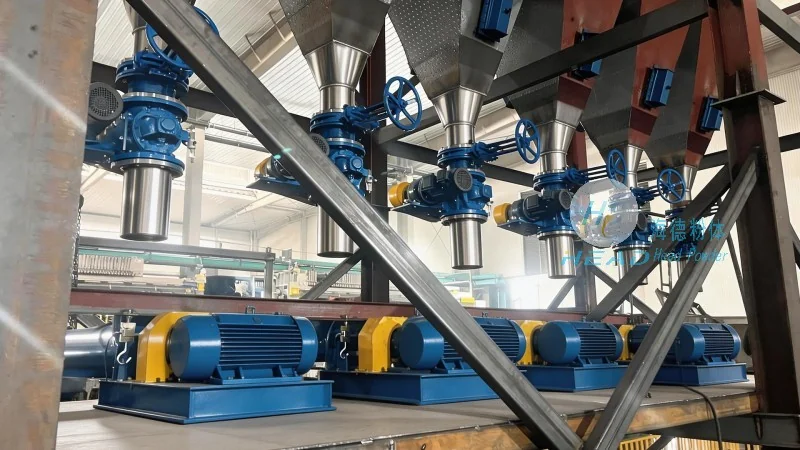
Pneumatic conveying systems use air or other gases to transport wood chips through a network of pipes. This method is highly flexible and can handle both horizontal and vertical transport, making it suitable for complex layouts and long-distance applications. There are two main types of pneumatic conveying: pressure and vacuum systems. Pressure systems use compressed air to push the material through the pipes, while vacuum systems use suction to draw the material in.
A key advantage of pneumatic conveying is its ability to transport wood chips at high speeds, often covering distances of several hundred meters with minimal energy loss. The system is also highly flexible, as it can be easily reconfigured to accommodate changes in production requirements or facility layout. Additionally, pneumatic conveyors can handle a wide variety of materials, including fine wood chips, sawdust, and even mixed waste, without the need for additional processing. The enclosed nature of the system also helps maintain a clean environment by preventing dust and debris from escaping into the workspace.
Despite these benefits, pneumatic conveying has several drawbacks. The most significant limitation is the high energy consumption associated with operating the system, especially for long-distance or high-volume transport. The cost of compressed air or vacuum systems can be substantial, and the maintenance requirements are more complex compared to other methods. Another issue is the potential for material degradation due to friction and heat generated during transport, which can affect the quality of the wood chips. Furthermore, the system is susceptible to clogging if the wood chips are too large or have high moisture content, requiring regular cleaning and the use of specialized equipment to prevent blockages.
Belt Conveyors: The Heavy-Duty and Cost-Effective Option
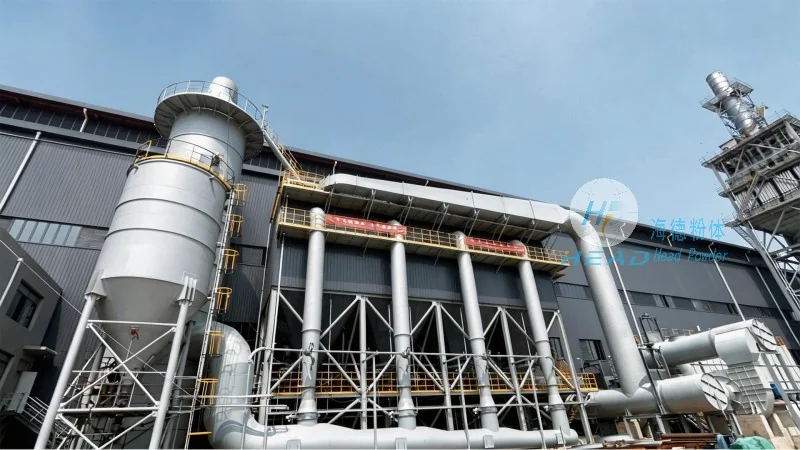
Belt conveyors are another common method for transporting wood chips, particularly in applications requiring the movement of large volumes of material over long distances. These systems consist of a continuous belt that moves over rollers or pulleys, carrying the wood chips from one point to another. They are widely used in industries such as sawmills, where large quantities of wood chips need to be transported from the processing area to storage or further processing units.
One of the main advantages of belt conveyors is their high capacity and ability to handle large volumes of material efficiently. The system can transport wood chips at a consistent speed, ensuring a steady flow of material through the production process. Belt conveyors are also relatively low-cost to install and maintain, making them an attractive option for businesses with budget constraints. Additionally, the open design of the system allows for easy inspection and maintenance, reducing downtime and improving overall operational reliability.
However, belt conveyors also have their limitations. The primary drawback is their inefficiency for vertical transport, as the system requires additional equipment such as elevators or inclines to move material vertically. This can increase the complexity and cost of the overall system. Another limitation is the potential for material spillage or dust generation, especially if the belt is not properly sealed or maintained. This can lead to safety hazards and environmental issues, requiring additional measures such as dust collection systems. Furthermore, the system may be prone to wear and tear due to the friction between the belt and the rollers, necessitating regular replacement of components to ensure optimal performance.
Comparison and Selection Criteria
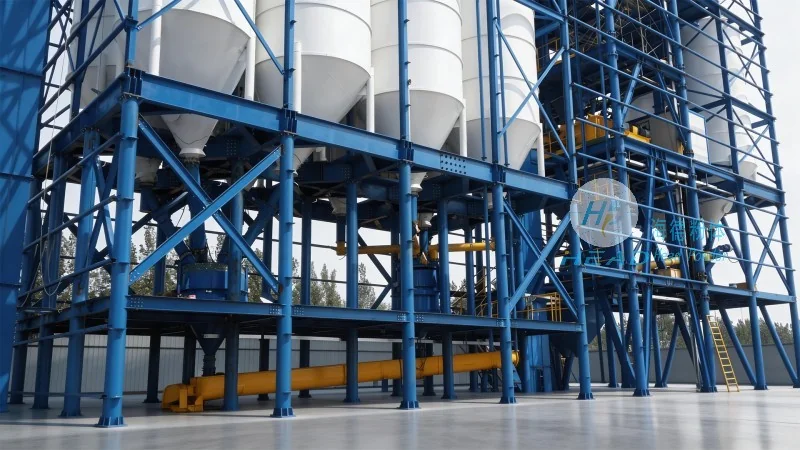
When selecting a wood chip conveying method, several factors must be considered to ensure the optimal choice for a specific application. The primary factors include the distance and elevation changes required, the volume and type of material to be transported, the available space and layout of the facility, and the budget constraints. Each method has its strengths and weaknesses, and the best choice depends on the specific needs of the operation.
For short horizontal or slightly inclined transport over short distances, screw conveyors are often the most cost-effective and reliable option. They are simple to install and maintain, and their enclosed design helps maintain a clean environment. However, for long-distance or vertical transport, pneumatic conveying may be more suitable due to its high speed and flexibility. Belt conveyors are ideal for heavy-duty applications requiring large volumes of material over long distances, though they may require additional equipment for vertical transport.
It is also important to consider the material characteristics, such as size, moisture content, and shape, as these can significantly impact the performance of the conveying system. For example, wet or sticky wood chips may be better suited for screw conveyors due to their ability to handle such materials without clogging. In contrast, fine or lightweight wood chips may be more efficiently transported using pneumatic systems.
Conclusion
In conclusion, the choice of wood chip conveying method depends on a variety of factors, including the operational requirements, material characteristics, and budget constraints. Each method has its own set of advantages and disadvantages, and the optimal selection requires careful evaluation of these factors. By understanding the strengths and limitations of each system, businesses can make informed decisions that enhance operational efficiency, reduce costs, and improve overall performance.
Shandong HeadPowder Engineering Co., Ltd., a leading provider of wood processing equipment, specializes in designing and manufacturing high-quality conveying systems tailored to the specific needs of their clients. With years of experience in the industry, HeadPowder offers a range of solutions, including screw conveyors, pneumatic systems, and belt conveyors, to meet the diverse requirements of wood chip handling applications. Based in Shandong, China, HeadPowder is committed to delivering reliable and efficient equipment that enhances productivity and safety in wood processing operations.

 Shandong Headpowder Engineering Co., Ltd.
 156-6277-7102(Quản lý Trương)
  0531-83386006
  Thành phố Tế Nam, Tỉnh Sơn Đông, Trung Quốc
Điện thoại
WeChatTư vấn
Lên đầu