Với hơn 10 năm kinh nghiệm về vận chuyển khí nén, Headpowder Sơn Đông cung cấp hệ thống, thiết bị và quạt gió toàn chuỗi, đảm nhận các dự án kỹ thuật bột trọn gói trên toàn quốc.
Rice is a staple food for billions worldwide, and efficient handling and transport are critical to ensuring its quality and availability. As a leading provider in the agricultural machinery sector, Shandong HeadPowder Engineering Co., Ltd. specializes in solutions that enhance the efficiency of rice processing and handling. This article provides a detailed comparison of common rice transport methods, highlighting their advantages and disadvantages to help farmers and industry professionals make informed decisions.
Introduction to Rice Transport Methods
Efficient rice transport is essential for minimizing losses, reducing labor costs, and maintaining grain quality. Traditional methods often rely on manual labor, while modern approaches utilize mechanical systems. The choice of transport method depends on factors such as farm size, budget, and the specific requirements of the rice processing facility. Below, we explore several common rice transport methods and evaluate their pros and cons.
1. Manual Handling and Labor Transport
Manual handling involves workers using baskets, carts, or other simple tools to move rice from fields to storage or processing areas. This method is suitable for small-scale farms where labor is readily available and the volume of rice is low. The primary advantage of manual transport is its low initial cost, as it requires minimal or no investment in machinery. However, it suffers from significant drawbacks, including high labor costs, potential for human error, and the risk of grain damage due to rough handling. Additionally, manual transport is inefficient for large volumes and can lead to increased labor fatigue, especially during peak harvest seasons.
2. Mechanical Conveyors (Belt Conveyors)
Belt conveyors are widely used in rice processing facilities for transporting bulk rice. These systems consist of a continuous belt that moves rice along a fixed path, often with inclines or declines to facilitate vertical or horizontal transport. Belt conveyors offer several advantages, including high capacity, consistent speed, and the ability to transport rice over long distances without manual intervention. They are particularly effective for moving large quantities of rice from storage bins to processing equipment or for transferring rice between different stages of the processing line. The main disadvantages include higher initial investment costs compared to manual methods, potential for grain breakage if the belt speed is too high, and the need for regular maintenance to ensure smooth operation. Additionally, belt conveyors may require additional space and may not be suitable for very wet or sticky rice varieties.
3. Elevators and Hoists
Rice elevators and hoists are vertical or inclined mechanical devices designed to lift rice from lower to higher levels. These systems are commonly used in rice mills to move rice from storage silos to processing equipment or to transfer rice between different floors of a facility. Elevators offer advantages such as high lifting capacity, energy efficiency, and the ability to handle large volumes of rice quickly. They are particularly useful for vertical transport in multi-story processing plants, reducing the need for horizontal transport and minimizing the risk of grain spillage. However, elevators have limitations, including higher initial costs, potential for grain breakage during lifting, and the need for regular maintenance to prevent mechanical failures. Additionally, some elevator systems may not be suitable for very heavy or wet rice loads.
4. Pneumatic Conveying Systems
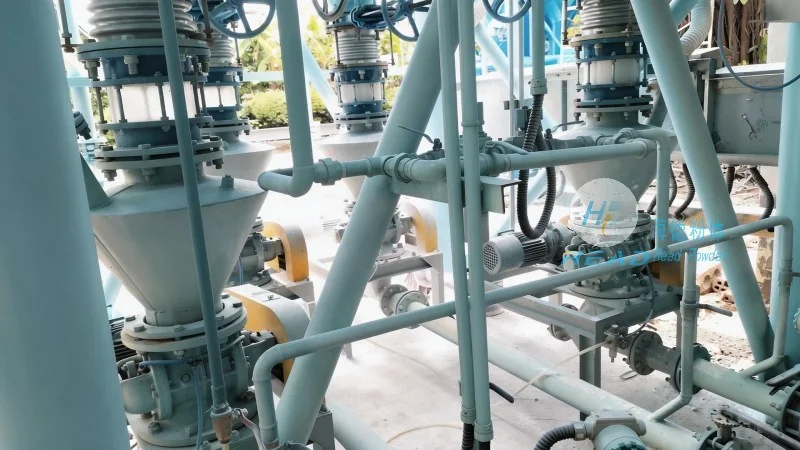
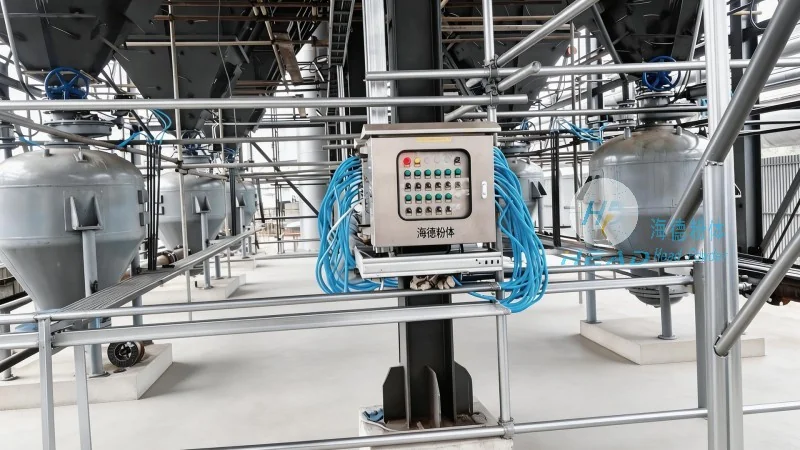
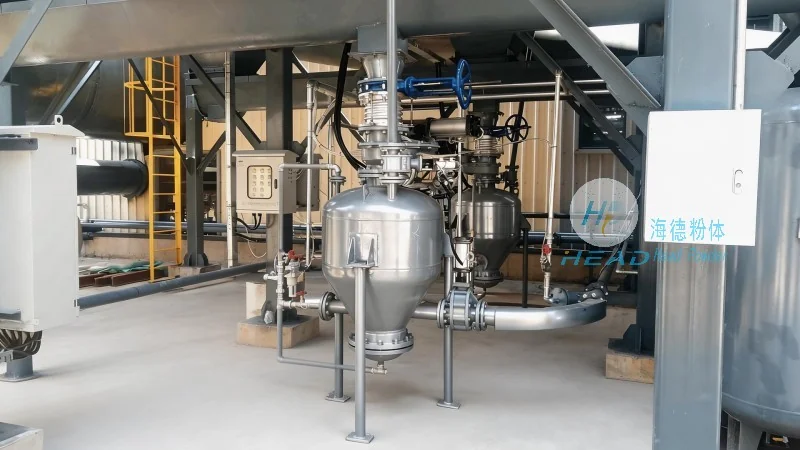
Pneumatic conveying systems use air pressure to transport rice through a network of pipes. These systems are ideal for moving rice in enclosed environments, such as processing plants or storage facilities, where dust and moisture control are critical. Pneumatic conveyors offer advantages like the ability to transport rice over long distances, the flexibility to move rice in multiple directions, and the reduction of labor costs as the system operates automatically. They are particularly effective for handling fine or powdery rice fractions and for transferring rice from one processing stage to another without the need for manual handling. The main disadvantages include higher energy consumption compared to other methods, potential for grain degradation if the air pressure is too high, and the need for regular cleaning to prevent clogging of the pipes. Additionally, pneumatic systems may not be suitable for very large grain sizes or for transporting rice with high moisture content.
5. Gravity Flow Systems
Gravity flow systems utilize the natural force of gravity to move rice from higher to lower levels. These systems typically consist of sloped chutes or troughs that allow rice to flow from storage bins or processing equipment to lower levels without the need for mechanical power. Gravity flow offers advantages such as low energy consumption, minimal maintenance requirements, and the ability to handle large volumes of rice efficiently. They are particularly useful for moving rice from storage silos to processing lines or for transferring rice between different stages of the processing facility. The main disadvantages include the need for a suitable topography or elevation difference to operate effectively, potential for grain spillage if the slope is too steep, and the limitation of moving rice only in a downward direction. Additionally, gravity flow systems may not be suitable for very wet or sticky rice varieties, as they can lead to clogging or uneven flow.
Conclusion and Recommendations
Choosing the right rice transport method depends on a variety of factors, including farm size, budget, and the specific requirements of the rice processing facility. Manual handling is suitable for small-scale operations with low labor costs, while mechanical conveyors, elevators, and pneumatic systems are more appropriate for larger operations or facilities with high processing volumes. Gravity flow systems offer a low-cost alternative for certain applications but may have limitations in terms of topography and grain type. Shandong HeadPowder Engineering Co., Ltd. provides a range of rice handling solutions tailored to meet the needs of different agricultural operations, ensuring efficient and cost-effective rice transport. By understanding the advantages and disadvantages of each method, farmers and industry professionals can select the most suitable transport system to optimize their rice processing operations.
For more information on rice transport solutions from Shandong HeadPowder Engineering Co., Ltd., please contact us at our headquarters in Shandong, China.

 Shandong Headpowder Engineering Co., Ltd.
 156-6277-7102(Quản lý Trương)
  0531-83386006
  Thành phố Tế Nam, Tỉnh Sơn Đông, Trung Quốc
Điện thoại
WeChatTư vấn
Lên đầu