Với hơn 10 năm kinh nghiệm về vận chuyển khí nén, Headpowder Sơn Đông cung cấp hệ thống, thiết bị và quạt gió toàn chuỗi, đảm nhận các dự án kỹ thuật bột trọn gói trên toàn quốc.
Efficient and reliable flour conveying is a critical aspect of modern flour milling operations. The choice of conveying method directly impacts production efficiency, product quality, and operational costs. This article provides a detailed comparison of common flour conveying methods, examining their advantages and disadvantages to help industry professionals make informed decisions.
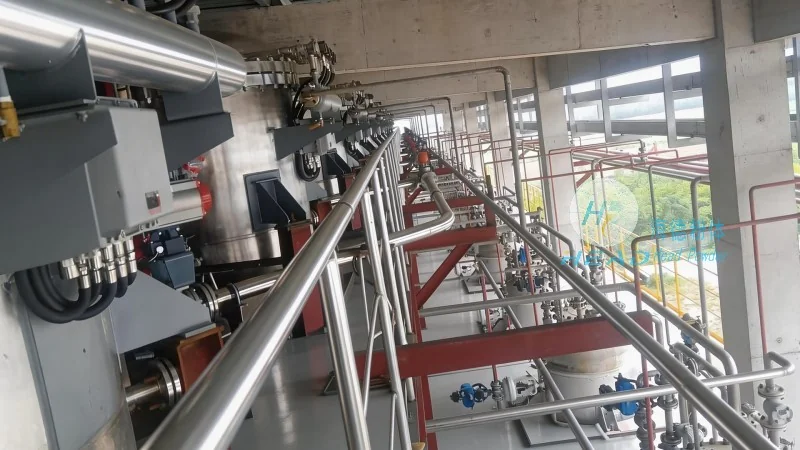
Overview of Common Flour Conveying Methods
Several methods are widely used in the flour industry for transporting flour and related powders. The most common include bucket elevators, pneumatic conveyors, and screw conveyors. Each method has distinct characteristics that make it suitable for different applications and operational requirements.
1. Bucket Elevator (Chain or Belt Type)
Bucket elevators are among the most traditional and widely used flour conveying systems. They consist of a continuous belt or chain with attached buckets that transport material vertically or at an incline. The primary advantage of bucket elevators is their high capacity and ability to handle large volumes of flour efficiently. They are also relatively simple in design, requiring minimal maintenance and offering a long service life. However, bucket elevators have some drawbacks. They can generate significant dust and require regular cleaning to prevent material buildup. Additionally, their vertical design may limit the overall height of the conveying system, and they are not suitable for conveying highly abrasive or sticky materials without modifications.
2. Pneumatic Conveying System
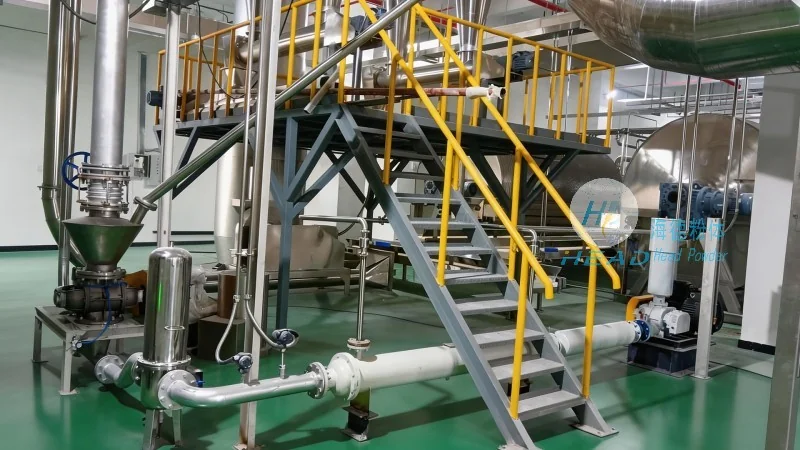
Pneumatic conveying systems use air pressure to transport flour and other powders through a pipeline. This method offers several advantages, including the ability to convey materials over long distances and in multiple directions (horizontal, vertical, or a combination). Pneumatic systems are also relatively compact and can be integrated into existing production lines with minimal disruption. They are particularly effective for handling fine powders and can be designed to minimize dust generation and contamination. The main disadvantages of pneumatic conveying include higher energy consumption compared to mechanical systems and potential for material degradation if the conveying air is not properly filtered or conditioned. Additionally, the system may require more complex controls and maintenance to ensure consistent performance.
3. Screw Conveyor (Auger Conveyor)
Screw conveyors, also known as auger conveyors, use a rotating screw to move flour along a tube or trough. This method is suitable for both horizontal and inclined conveying and is often used in applications where a gentle handling of the material is required. The advantages of screw conveyors include their simplicity, low cost, and ability to handle a wide range of materials, including sticky or moist flour. They are also relatively easy to install and maintain. However, screw conveyors have limitations in terms of capacity and material handling. They are generally less efficient for high-volume applications and may cause more material degradation due to the friction between the screw and the material. Additionally, they are not suitable for conveying very fine powders or materials that tend to clog the screw.
4. Belt Conveyor
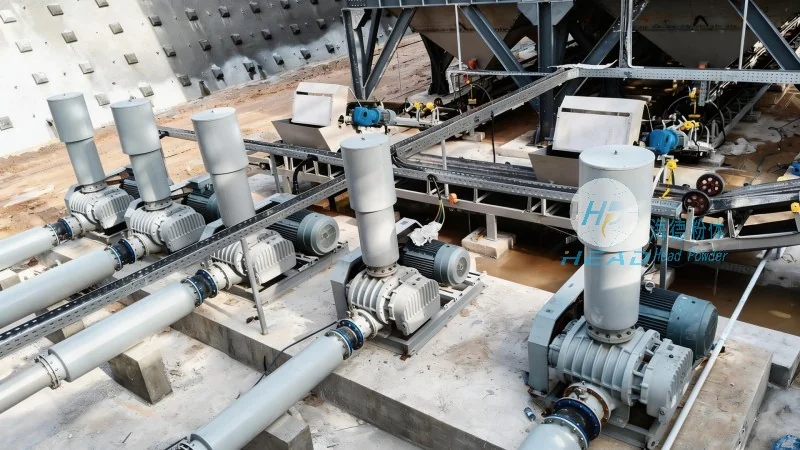
Belt conveyors use a continuous belt to transport flour horizontally or at a slight incline. They are commonly used in bulk material handling and can be integrated into flour processing lines for transporting raw materials or finished products. The advantages of belt conveyors include high capacity, low maintenance, and the ability to handle large volumes of material over long distances. They are also relatively simple to operate and can be customized with different belt materials to suit specific flour types. The main disadvantages include the need for regular belt tensioning and replacement, potential for material spillage, and limited ability to handle vertical lifts without additional equipment. Belt conveyors are also less effective for conveying fine powders compared to other methods.
Factors to Consider When Choosing a Flour Conveying Method
When selecting a flour conveying method, several factors must be considered to ensure optimal performance and cost-effectiveness. These factors include the volume of flour to be conveyed, the distance and direction of transport, the physical properties of the flour (such as moisture content, stickiness, and particle size), and the available space and budget. For example, bucket elevators are ideal for high-volume vertical transport, while pneumatic systems are better suited for long-distance or multi-directional conveying. Screw conveyors are preferred for gentle handling of sticky materials, and belt conveyors are suitable for bulk handling over horizontal distances.
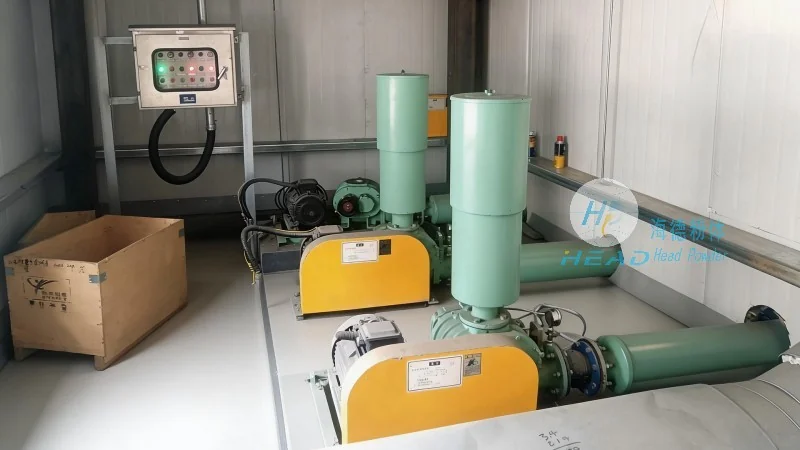
HeadPowder Engineering: Expertise in Flour Conveying Solutions
Shandong HeadPowder Engineering Co., Ltd., a leading manufacturer of flour processing equipment, specializes in providing customized flour conveying solutions tailored to the specific needs of the flour industry. With years of experience and a deep understanding of the challenges faced by flour mills, HeadPowder offers a range of conveying systems that combine efficiency, reliability, and durability. The company’s products are designed to meet the highest standards of quality and performance, ensuring that flour is transported safely and efficiently from one stage of the milling process to the next. Whether you need a traditional bucket elevator or a modern pneumatic system, HeadPowder provides comprehensive solutions that enhance operational productivity and reduce maintenance costs.
Conclusion
Choosing the right flour conveying method is a critical decision that impacts the overall efficiency and profitability of a flour mill. By understanding the advantages and disadvantages of each method, industry professionals can select the most suitable option for their specific requirements. Whether you opt for a bucket elevator, pneumatic system, screw conveyor, or belt conveyor, it is essential to consider factors such as capacity, distance, material properties, and budget. With the expertise and experience of companies like Shandong HeadPowder Engineering Co., Ltd., flour mills can ensure that their conveying systems are optimized for maximum performance and longevity.

 Shandong Headpowder Engineering Co., Ltd.
 156-6277-7102(Quản lý Trương)
  0531-83386006
  Thành phố Tế Nam, Tỉnh Sơn Đông, Trung Quốc
Điện thoại
WeChatTư vấn
Lên đầu