Với hơn 10 năm kinh nghiệm về vận chuyển khí nén, Headpowder Sơn Đông cung cấp hệ thống, thiết bị và quạt gió toàn chuỗi, đảm nhận các dự án kỹ thuật bột trọn gói trên toàn quốc.
When handling polypropylene resin powders in industrial applications, selecting the appropriate conveying method is crucial for ensuring efficiency, safety, and product integrity. Various technologies are available, each with distinct advantages and considerations. This article provides a detailed comparison of common polypropylene resin powder conveying methods, focusing on their operational principles, benefits, and potential applications.
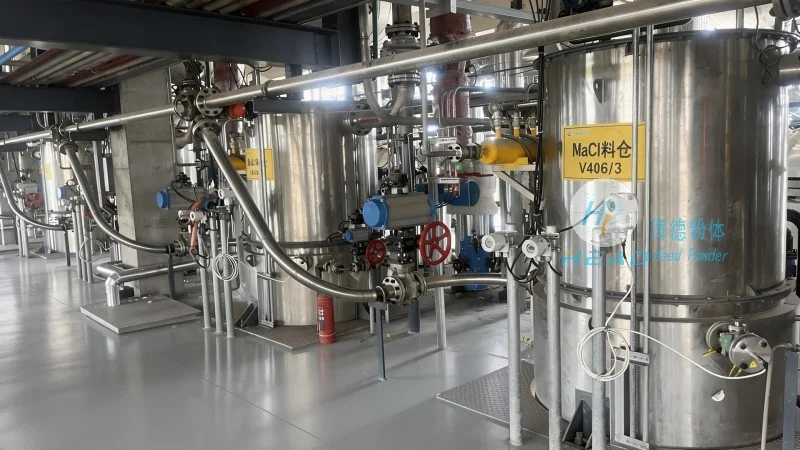
Overview of Polypropylene Resin Powder Conveying
Polypropylene (PP) resin powders are widely used in manufacturing processes such as extrusion, injection molding, and compounding. Effective material handling is essential to maintain consistent quality and minimize downtime. Conveying systems must address challenges like dust generation, material segregation, and the need for gentle handling to preserve the resin's properties. The choice of conveying method depends on factors including the resin's bulk density, flow characteristics, and the specific requirements of the production line.
1. Air-Pressure Conveying Systems
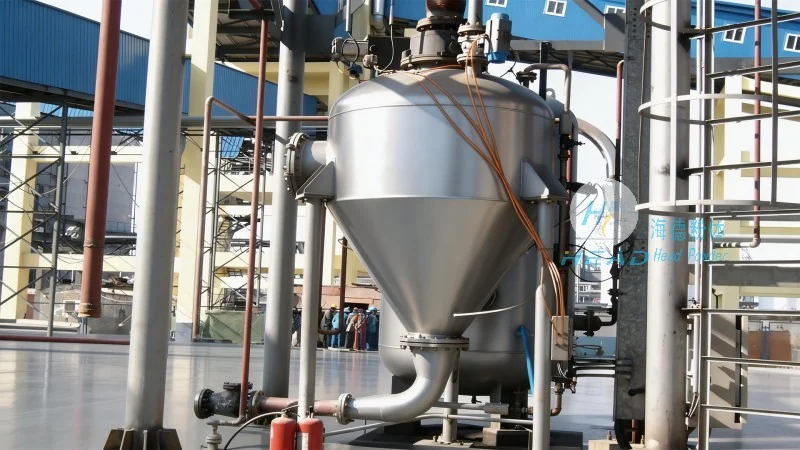
Air-pressure conveying, also known as pneumatic conveying, utilizes compressed air to transport polypropylene resin powders through a pipeline. This method is suitable for both low and high-volume applications. There are two primary types: dilute-phase and dense-phase conveying. Dilute-phase systems use low air velocity to move particles in a cloud-like state, making them ideal for long-distance transport and handling fine powders. Dense-phase systems, on the other hand, operate at higher air pressures and lower velocities, ensuring a more controlled and gentle movement of the resin, which is beneficial for preventing degradation or segregation. The advantages of air-pressure conveying include high throughput, minimal material degradation, and the ability to handle a wide range of particle sizes. However, it requires proper air filtration to prevent dust accumulation and may need additional equipment for air compression and filtration.
2. Mechanical Conveying Systems
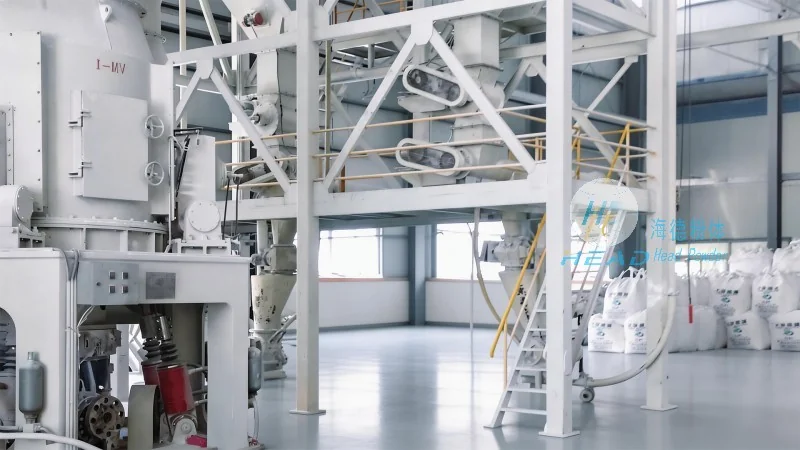
Mechanical conveying systems rely on mechanical components like screws, belts, or buckets to transport polypropylene resin powders. Screw conveyors, for example, use a rotating screw to move material along a trough. These systems are suitable for horizontal or slight incline transport and are effective for handling bulk quantities. They offer advantages such as low maintenance, reliability, and the ability to handle abrasive materials. However, they may not be suitable for fine powders due to the risk of clogging or material degradation. Belt conveyors are another option, particularly for long-distance horizontal transport, and can handle larger particles or bulk materials. Mechanical systems are generally more cost-effective than pneumatic systems and do not require compressed air, making them a popular choice for many industrial applications.
3. Hydraulic Conveying Systems
Hydraulic conveying systems use fluid pressure to transport polypropylene resin powders through a pipeline. This method is less common but can be effective for specific applications, such as transporting abrasive or corrosive materials. The fluid, often water or a specialized hydraulic fluid, is pumped through the pipeline, carrying the resin particles. The advantages of hydraulic conveying include high transport capacity and the ability to handle high-viscosity materials. However, it requires specialized equipment and may involve higher maintenance costs due to the need for fluid handling and filtration. Additionally, the system may be less flexible in terms of distance and layout compared to pneumatic or mechanical systems.
4. Vacuum Conveying Systems
Vacuum conveying systems use a vacuum to draw polypropylene resin powders into a collection container or transport line. This method is particularly useful for handling fine powders or materials that are difficult to move by other means. The system operates by creating a negative pressure that pulls the material through a hose or pipeline. Vacuum conveying is gentle on the material, reducing the risk of degradation or segregation. It is also suitable for short-distance transport and can be integrated with other processing equipment. The main advantages include low energy consumption and the ability to handle fine powders without the need for high air velocities. However, the system may have limitations in terms of distance and throughput compared to other methods, and proper filtration is essential to prevent dust accumulation.
Key Considerations for Selecting a Conveying Method
When choosing a polypropylene resin powder conveying method, several factors must be considered to ensure optimal performance and efficiency. First, the material's physical properties, such as bulk density, flowability, and particle size distribution, play a critical role. For example, fine powders may require pneumatic or vacuum systems to avoid clogging, while larger particles may be better suited for mechanical systems. Second, the distance and layout of the production line influence the choice of system. Long-distance transport may necessitate pneumatic or hydraulic systems, while short distances can be handled by mechanical or vacuum systems. Third, operational costs, including energy consumption, maintenance, and equipment investment, must be evaluated. Mechanical systems are generally more cost-effective in the long run, while pneumatic systems may have higher energy costs but offer greater flexibility. Finally, safety considerations, such as dust control and explosion prevention, are essential, especially when handling flammable or reactive materials like polypropylene.
Conclusion
Choosing the right polypropylene resin powder conveying method is a critical decision for industrial manufacturers. Each method has its strengths and limitations, and the optimal choice depends on the specific application, material properties, and operational requirements. Air-pressure, mechanical, hydraulic, and vacuum systems each offer unique advantages and considerations. By carefully evaluating these factors, manufacturers can select a conveying system that maximizes efficiency, minimizes downtime, and ensures the quality of their polypropylene resin products. For more information on polypropylene resin powder handling solutions, contact Shandong HeadPowder Engineering Co., Ltd., a leading provider of material handling equipment based in China.

 Shandong Headpowder Engineering Co., Ltd.
 156-6277-7102(Quản lý Trương)
  0531-83386006
  Thành phố Tế Nam, Tỉnh Sơn Đông, Trung Quốc
Điện thoại
WeChatTư vấn
Lên đầu