Với hơn 10 năm kinh nghiệm về vận chuyển khí nén, Headpowder Sơn Đông cung cấp hệ thống, thiết bị và quạt gió toàn chuỗi, đảm nhận các dự án kỹ thuật bột trọn gói trên toàn quốc.
Wheat handling and transportation are critical processes in the agricultural and food processing industries. Efficient and reliable conveying methods ensure that wheat is moved from storage to processing facilities without damage or loss. This article provides a detailed comparison of common wheat conveying methods, focusing on their applications, advantages, and limitations. The information is presented by Shandong HeadPowder Engineering Co., Ltd., a leading manufacturer of bulk material handling equipment based in Shandong, China.
1. Bucket Elevator (Chain or Belt Type)
The bucket elevator is one of the most widely used systems for vertical and inclined wheat transport. It consists of a continuous belt or chain with attached buckets that move grain up a vertical or steeply inclined frame. As the buckets ascend, they carry wheat from the lower to the upper level. This method is highly efficient for vertical lifts, with the ability to handle large volumes of wheat at high speeds. The design minimizes product breakage, making it suitable for delicate wheat grains. The system is also relatively simple to install and maintain, with minimal moving parts compared to other vertical conveyors. However, bucket elevators have a limited horizontal reach and are best suited for vertical or near-vertical applications. They are commonly used in flour mills and grain elevators to move wheat from storage silos to processing lines.
2. Screw Conveyor (Auger)
Screw conveyors, also known as augers, are versatile horizontal or slightly inclined conveyors that use a rotating helical screw to move wheat. The screw is enclosed in a U-shaped or cylindrical trough, which guides the grain along the path. This method is ideal for short to medium horizontal distances and gentle inclines. Screw conveyors are particularly effective for handling dry, free-flowing wheat without the need for additional power. They are often used in feed mills and grain storage facilities to transport wheat from bins to processing equipment. The design is compact and can be installed in confined spaces, making it a popular choice for smaller operations. However, screw conveyors may cause some product degradation due to friction and compression, especially for delicate wheat varieties. They are also less efficient for vertical lifts compared to bucket elevators.
3. Pneumatic Conveying System
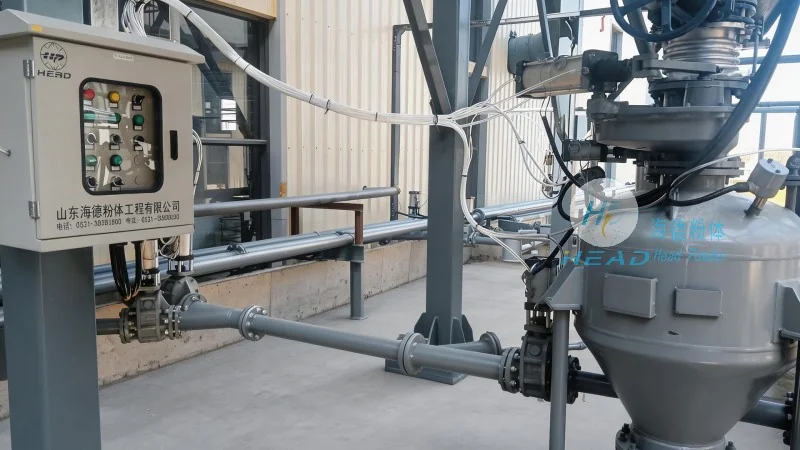
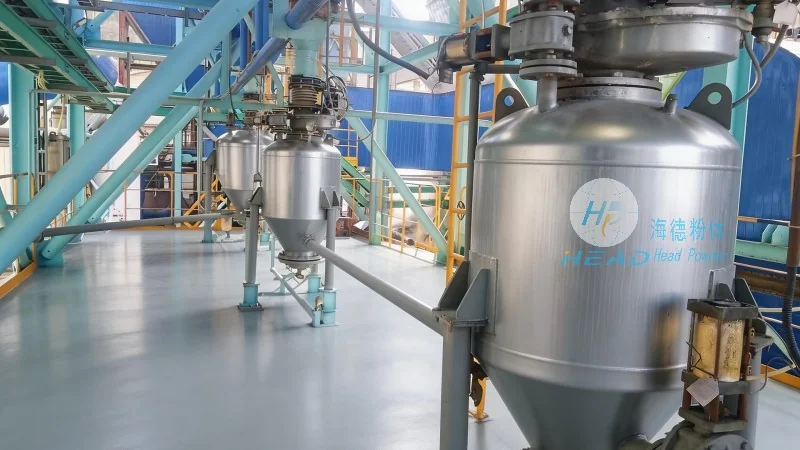
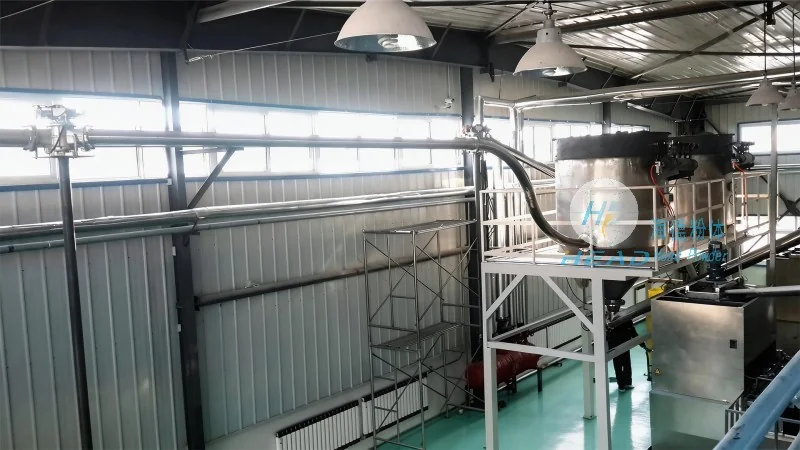
Pneumatic conveying systems use air pressure to transport wheat in a closed pipeline. There are two main types: dilute-phase and dense-phase. In dilute-phase systems, wheat is suspended in a high-velocity air stream, allowing for long-distance horizontal transport. Dense-phase systems, on the other hand, use lower air velocities to move wheat in a slurry-like state, which reduces product degradation and is suitable for sensitive grains. This method offers high flexibility, as it can be configured for both horizontal and vertical transport with minimal changes to the system. Pneumatic conveyors are particularly useful for moving wheat from remote storage areas to processing facilities without the need for multiple transfer points. However, they require higher energy input compared to mechanical conveyors and may be more complex to install and maintain. The system also needs to be designed to prevent dust accumulation and ensure efficient air filtration.
4. Belt Conveyor
Belt conveyors are another common horizontal conveying method that uses a continuous belt to transport wheat. The belt is supported by rollers and moves over a frame, carrying the grain from one point to another. This system is ideal for long horizontal distances and can handle large volumes of wheat at a steady pace. Belt conveyors are widely used in grain terminals and processing plants to move wheat from storage bins to loading docks or processing equipment. They are relatively low-cost and easy to install, with minimal maintenance requirements. However, belt conveyors may cause some product breakage due to the friction between the belt and the grain, especially for soft wheat varieties. They are also less effective for vertical lifts and require a level or gently sloped surface for operation.
About Shandong HeadPowder Engineering Co., Ltd.
Shandong HeadPowder Engineering Co., Ltd. is a reputable manufacturer of bulk material handling equipment, specializing in solutions for wheat and other grain processing. With a strong presence in the industry, the company provides high-quality conveying systems tailored to the specific needs of agricultural and food processing operations. Based in Shandong, China, HeadPowder Engineering leverages advanced engineering and manufacturing capabilities to deliver reliable and efficient wheat conveying solutions. The company’s products are designed to meet international standards and are widely used in flour mills, grain elevators, and feed processing facilities worldwide. By focusing on customer needs and technological innovation, HeadPowder Engineering ensures that its conveying systems offer optimal performance and durability for long-term use.

 Shandong Headpowder Engineering Co., Ltd.
 156-6277-7102(Quản lý Trương)
  0531-83386006
  Thành phố Tế Nam, Tỉnh Sơn Đông, Trung Quốc
Điện thoại
WeChatTư vấn
Lên đầu