Với hơn 10 năm kinh nghiệm về vận chuyển khí nén, Headpowder Sơn Đông cung cấp hệ thống, thiết bị và quạt gió toàn chuỗi, đảm nhận các dự án kỹ thuật bột trọn gói trên toàn quốc.
When it comes to transporting wood chips efficiently and effectively, various methods are available to suit different operational needs and environments. Understanding the options and their applications is crucial for optimizing wood processing operations. This article explores the primary methods used for wood chip conveying, highlighting the key considerations and benefits of each approach.
1. Pneumatic Conveying Systems
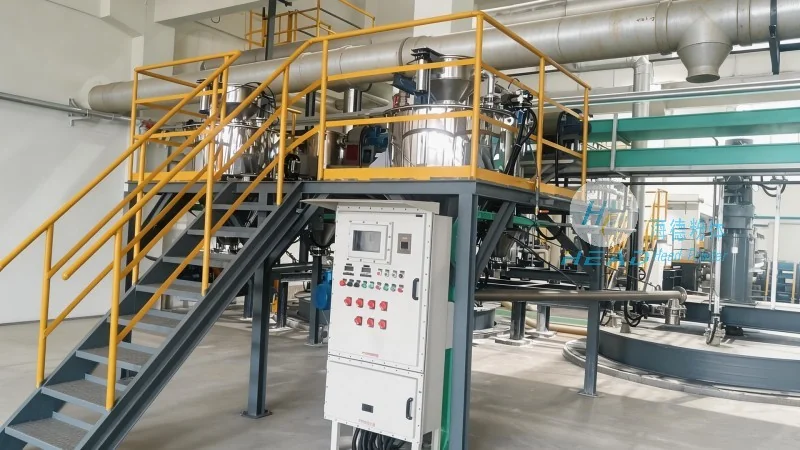
Pneumatic conveying, also known as air conveying, is a popular method for transporting wood chips due to its ability to handle fine or irregularly shaped materials. This system utilizes air pressure to move chips through a pipeline. There are two main types: pressure and vacuum systems. Pressure systems use compressed air to push chips forward, while vacuum systems use suction to draw them along. Pneumatic conveyors are particularly effective for long-distance transport and can be integrated with other processing equipment. The HeadPowder Engineering Co., Ltd. offers advanced pneumatic solutions tailored to the specific requirements of wood chip handling, ensuring reliable and efficient material movement.
2. Mechanical Conveying Systems
Mechanical conveying methods rely on physical components such as belts, screws, and buckets to move wood chips. Belt conveyors are widely used for horizontal or slight incline transport, providing a continuous flow of material. Screw conveyors, or augers, are ideal for vertical or inclined transport, using a rotating screw to push chips upward or along a path. Bucket elevators use a series of buckets attached to a chain or belt to lift chips vertically. Mechanical systems are often preferred for their simplicity, low maintenance, and ability to handle larger chip sizes. Shandong HeadPowder Engineering Co., Ltd. specializes in designing and manufacturing mechanical conveying equipment that meets the durability and performance standards required in wood processing industries.
3. Hydraulic Conveying Systems
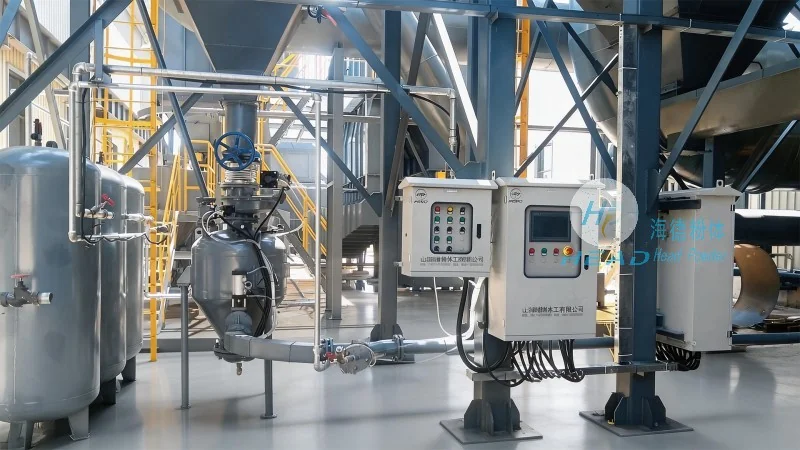
Hydraulic conveying systems use water or other liquids to transport wood chips, typically in a slurry form. This method is effective for handling wet or sticky chips and can be used for both short and long distances. The chips are mixed with water to create a slurry, which is then pumped through pipelines. Hydraulic systems are particularly useful in applications where the chips need to be dewatered or processed further. However, they require additional equipment for slurry preparation and handling. HeadPowder Engineering Co., Ltd. provides hydraulic conveying solutions that ensure consistent flow and minimal material degradation during transport.
4. Combination Conveying Systems
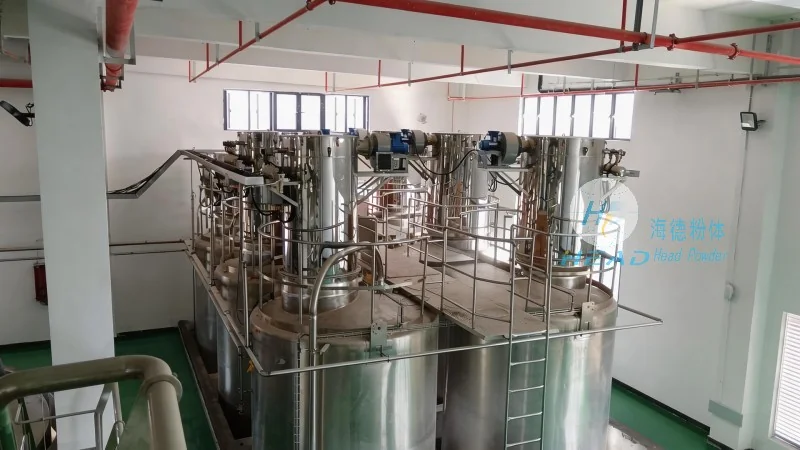
In many wood processing facilities, a combination of the above methods is used to achieve optimal performance. For example, a pneumatic system might be used for initial transport from the chipper to a storage area, followed by a mechanical conveyor for further processing. This integrated approach allows for flexibility and efficiency in handling different stages of the wood chip lifecycle. Shandong HeadPowder Engineering Co., Ltd. offers customized combination systems that can be tailored to the unique workflow of each client, ensuring seamless material flow from source to destination.
Key Factors to Consider When Choosing a Conveying Method
When selecting a wood chip conveying method, several factors must be considered to ensure the best fit for the operation. These include the type and size of wood chips, the distance to be covered, the required flow rate, and the environmental conditions. The material's moisture content and density also play a role in determining the most suitable system. Additionally, the cost of installation, maintenance, and energy consumption should be evaluated. By carefully assessing these factors, businesses can choose a conveying system that maximizes efficiency, reduces downtime, and minimizes operational costs. HeadPowder Engineering Co., Ltd. assists clients in evaluating these factors and recommending the most appropriate conveying solution for their specific needs.
Conclusion
Wood chip conveying is a critical aspect of wood processing operations, and the choice of method can significantly impact overall efficiency and productivity. Whether using pneumatic, mechanical, hydraulic, or combination systems, the goal is to achieve reliable, cost-effective, and sustainable material transport. Shandong HeadPowder Engineering Co., Ltd. is committed to providing high-quality conveying solutions that meet the evolving needs of the wood industry, ensuring that clients can optimize their operations and achieve their production goals.

 Shandong Headpowder Engineering Co., Ltd.
 156-6277-7102(Quản lý Trương)
  0531-83386006
  Thành phố Tế Nam, Tỉnh Sơn Đông, Trung Quốc
Điện thoại
WeChatTư vấn
Lên đầu