Với hơn 10 năm kinh nghiệm về vận chuyển khí nén, Headpowder Sơn Đông cung cấp hệ thống, thiết bị và quạt gió toàn chuỗi, đảm nhận các dự án kỹ thuật bột trọn gói trên toàn quốc.
When it comes to the efficient handling and transportation of paddy grains, various methods are employed in the agricultural and food processing industries. Understanding these common conveyance techniques is crucial for optimizing operations, ensuring product quality, and maintaining operational efficiency. This article explores the primary methods used for paddy grain conveyance, highlighting their applications and benefits.
1. Belt Conveyors for Paddy Grain Transport
Belt conveyors are widely used in paddy grain handling due to their versatility and ability to transport large volumes of material over short to medium distances. These systems consist of a continuous loop of belt that moves the paddy grains through a series of rollers and pulleys. The design allows for gentle handling of the grains, minimizing breakage and damage during transport. Belt conveyors are particularly effective in processing facilities where the paddy needs to be moved from storage to processing equipment or between different stages of the milling process. The smooth operation and low maintenance requirements make them a preferred choice for many businesses in the grain industry.
2. Screw Conveyors (Augers) for Paddy Grain Conveyance
Screw conveyors, also known as augers, are another common method for transporting paddy grains. These systems utilize a rotating helical screw inside a tube to move the material forward. The screw's rotation creates a pushing action that propels the paddy grains along the conveyor. Screw conveyors are well-suited for vertical or inclined transport, allowing for elevation changes without the need for additional equipment. They are often used in combination with other conveyance systems to create a comprehensive material handling solution. The compact design and ability to handle a wide range of grain sizes make screw conveyors a reliable option for paddy grain transport.
3. Bucket Elevators for Vertical Paddy Grain Transport
Bucket elevators are specifically designed for vertical transport of paddy grains, making them ideal for applications where the material needs to be lifted to a higher level. These systems consist of a series of buckets attached to a belt or chain that moves vertically. As the buckets ascend, they collect the paddy grains and discharge them at the top of the elevator. Bucket elevators are highly efficient for moving large quantities of material vertically, with minimal space requirements. They are commonly used in rice mills and processing plants to move paddy from storage silos to processing machinery or for elevating the grains to different processing levels. The robust construction and ability to handle abrasive materials make bucket elevators a durable choice for paddy grain handling.
4. Pneumatic Conveying Systems for Paddy Grain Transport
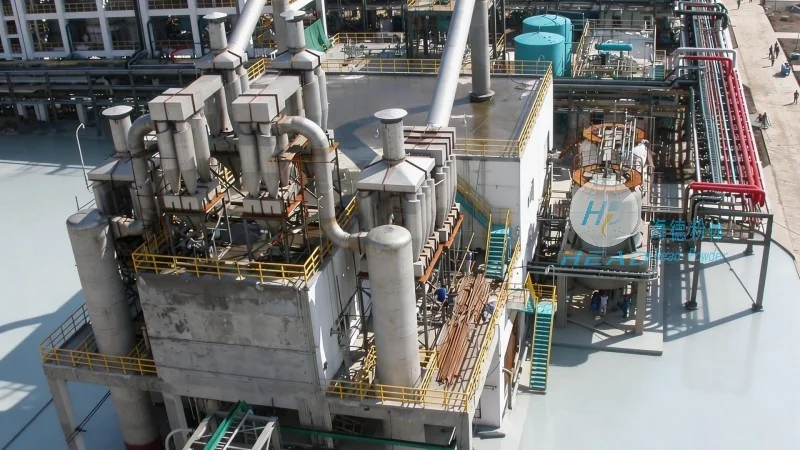
Pneumatic conveying systems use air pressure to transport paddy grains through a network of pipes. These systems can be either positive or negative pressure, depending on the application. Positive pressure systems blow air into the pipe, pushing the paddy grains forward, while negative pressure systems create a vacuum to draw the material through the pipe. Pneumatic conveyors are particularly useful for transporting paddy grains over longer distances or in environments where dust control is a priority. They are often employed in processing facilities to move the grains from storage to processing equipment or for transferring the material between different processing stages. The enclosed system helps maintain product quality and reduces the risk of contamination, making pneumatic conveying a popular choice for paddy grain transport.
5. Chain and Flight Conveyors for Paddy Grain Handling
Chain and flight conveyors are another method used for paddy grain conveyance, especially in applications requiring precise control over the material's movement. These systems consist of a chain with flights (flanged plates) attached to it, which moves along a track. The flights lift and move the paddy grains through the conveyor system. Chain and flight conveyors are often used in processing lines where the grains need to be sorted or positioned accurately before further processing. They are suitable for both horizontal and inclined transport and can handle a variety of grain sizes and shapes. The ability to control the speed and direction of the flights makes these conveyors ideal for applications that require careful handling of the paddy grains.
6. Vibrating Conveyors for Paddy Grain Transport
Vibrating conveyors use vibrations to move paddy grains along a trough. The conveyor is equipped with an oscillating mechanism that causes the paddy to move forward through the trough. This method is particularly effective for transporting wet or sticky paddy grains, as the vibrations help prevent material buildup and ensure smooth movement. Vibrating conveyors are often used in processing facilities where the grains need to be moved over long distances or through multiple processing stages. The gentle handling and low maintenance requirements make them a reliable option for paddy grain transport. They are also suitable for applications where the material needs to be elevated or moved at an angle.
7. Hydraulic Conveyors for Paddy Grain Handling
Hydraulic conveyors use fluid power to transport paddy grains through a system of pipes and valves. These systems are less common for paddy grain transport but are used in specialized applications where other methods are not suitable. Hydraulic conveyors can handle a wide range of grain sizes and are effective for both horizontal and inclined transport. They are often used in processing facilities that require precise control over the material's movement, such as in sorting or grading operations. The ability to adjust the flow rate and pressure makes hydraulic conveyors a versatile option for paddy grain handling. However, they require more maintenance and are generally more expensive than other conveyance methods.
8. Manual and Mechanical Handling Equipment for Paddy Grain Transport
In addition to automated conveyance systems, manual and mechanical handling equipment is also used for paddy grain transport, especially in smaller operations or for short-distance moves. These include equipment such as grain carts, wheelbarrows, and mechanical scoops. While less efficient than automated systems, these methods are cost-effective and can be used for small-scale operations or for moving paddy grains to processing equipment that is not directly connected to a conveyor system. Manual handling equipment is often used in combination with other conveyance methods to complete the entire material handling process. The use of manual equipment allows for flexibility and adaptability in smaller processing facilities.
9. Integration of Conveyance Systems for Paddy Grain Processing
Many processing facilities use a combination of the above conveyance methods to create an integrated system for paddy grain transport. This approach allows for efficient movement of the grains from storage to processing, and then to packaging or distribution. For example, a facility might use a belt conveyor to move paddy from storage to a bucket elevator, which then elevates the grains to a processing line. The processing line may then use a screw conveyor to move the grains to a milling machine, and finally, a pneumatic conveyor to transport the milled rice to packaging equipment. The integration of these systems ensures that the paddy grains are handled efficiently and with minimal loss or damage. This approach is particularly effective in large-scale processing facilities where the volume of material is high and the need for efficiency is critical.

 Shandong Headpowder Engineering Co., Ltd.
 156-6277-7102(Quản lý Trương)
  0531-83386006
  Thành phố Tế Nam, Tỉnh Sơn Đông, Trung Quốc
Điện thoại
WeChatTư vấn
Lên đầu