Với hơn 10 năm kinh nghiệm về vận chuyển khí nén, Headpowder Sơn Đông cung cấp hệ thống, thiết bị và quạt gió toàn chuỗi, đảm nhận các dự án kỹ thuật bột trọn gói trên toàn quốc.
Micro sand powder, a critical material in modern construction and industrial applications, requires efficient and reliable conveying methods to ensure smooth production processes. As a leading provider in the field, Shandong HeadPowder Engineering Co., Ltd. (referred to as HeadPowder) specializes in solutions tailored to the unique challenges of micro sand powder handling. This article explores the common methods used for micro sand powder conveying, highlighting the key considerations and advantages of each approach.
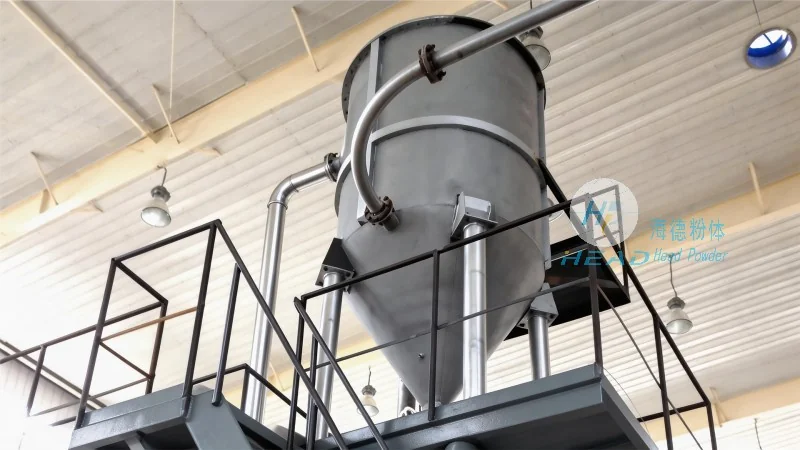
1. Air-Pressure Conveying Systems
Air-pressure conveying, also known as pneumatic conveying, is a widely adopted method for micro sand powder transport. This technique utilizes compressed air to move the powder through a pipeline system. The process involves feeding the powder into a hopper, where it is then drawn into the conveying line by the air flow. HeadPowder’s expertise in designing and implementing air-pressure systems ensures optimal performance, with considerations for material properties, pipeline length, and required flow rates. The advantages of this method include low maintenance costs, the ability to handle powders with varying moisture content, and the flexibility to transport materials over long distances without the need for complex infrastructure.
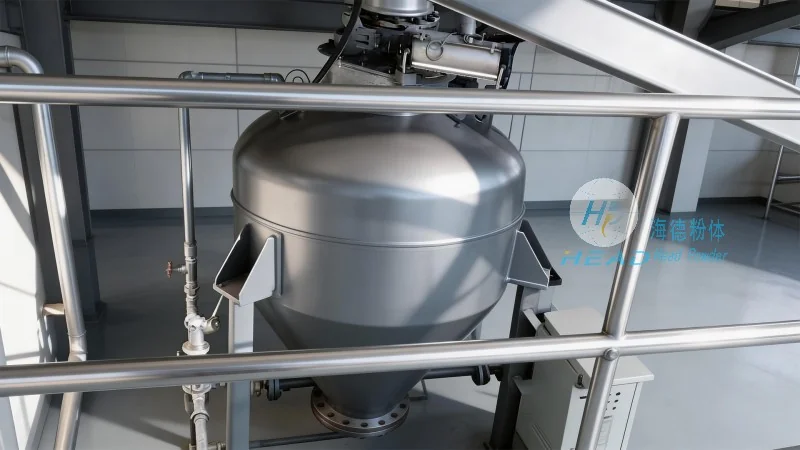
2. Mechanical Conveying Methods
Mechanical conveying systems, such as screw conveyors and belt conveyors, are another common approach for micro sand powder handling. Screw conveyors utilize a rotating screw to move the powder along a trough, while belt conveyors rely on a continuous belt to transport the material. These systems are particularly effective for shorter distances and when the powder needs to be elevated or moved horizontally. HeadPowder’s mechanical conveying solutions are engineered to minimize material degradation and ensure consistent flow rates. The company’s focus on durability and efficiency makes these systems suitable for high-volume applications in construction and manufacturing. Key considerations include the type of material, the required throughput, and the space constraints of the facility.
3. Hydraulic Conveying
Hydraulic conveying, which uses water as the conveying medium, is an alternative method for micro sand powder transport. This approach is particularly useful for materials that are difficult to handle via air or mechanical means. The powder is mixed with water to form a slurry, which is then pumped through a pipeline to the destination. HeadPowder’s hydraulic conveying systems are designed to handle abrasive and fine powders, ensuring minimal wear on equipment. The method is effective for long-distance transport and can be integrated with existing water treatment systems. However, it requires additional equipment for slurry separation and drying, which must be factored into the overall system design.
4. Vacuum Conveying
Vacuum conveying is a low-pressure pneumatic system that uses a vacuum to draw the powder into the conveying line. This method is ideal for applications where the powder needs to be transported from a source to a destination without the need for high-pressure air. HeadPowder’s vacuum conveying solutions are compact and energy-efficient, making them suitable for indoor or confined spaces. The system operates by creating a negative pressure in the pipeline, which pulls the powder from the source. Key advantages include reduced noise levels and the ability to handle sensitive materials without causing degradation. However, the system’s performance is influenced by the distance and the density of the powder, requiring careful system sizing.
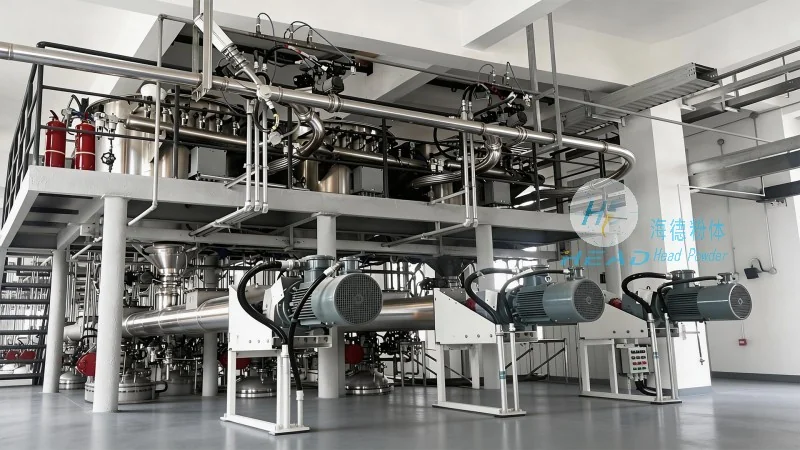
5. Combination Systems
In many industrial settings, a combination of the above methods is employed to achieve optimal conveying performance. For example, a system might use air-pressure conveying for the initial transport and then switch to mechanical or vacuum conveying for the final stages. HeadPowder specializes in designing integrated conveying systems that combine the strengths of different technologies. These hybrid systems are tailored to the specific requirements of each project, ensuring efficient material handling while minimizing operational costs. The company’s approach to system design emphasizes flexibility and adaptability, allowing clients to adjust the system as their production needs evolve.

 Shandong Headpowder Engineering Co., Ltd.
 156-6277-7102(Quản lý Trương)
  0531-83386006
  Thành phố Tế Nam, Tỉnh Sơn Đông, Trung Quốc
Điện thoại
WeChatTư vấn
Lên đầu